

In the medical field, it’s easy to believe that higher quality imaging translates to more precise images. In practice, useful radiology has more to do with it appears. It is important to determine whether medical exams will provide the required information for a specific situation.
A patient with a suspicion of joint problem, such as is a different diagnostic issue than someone who’s taking a breast scan or a scan of the prostate. Modern radiology does not depend on one scanner for all situations however, instead it employs variety of imaging techniques to deal with these differentiators.
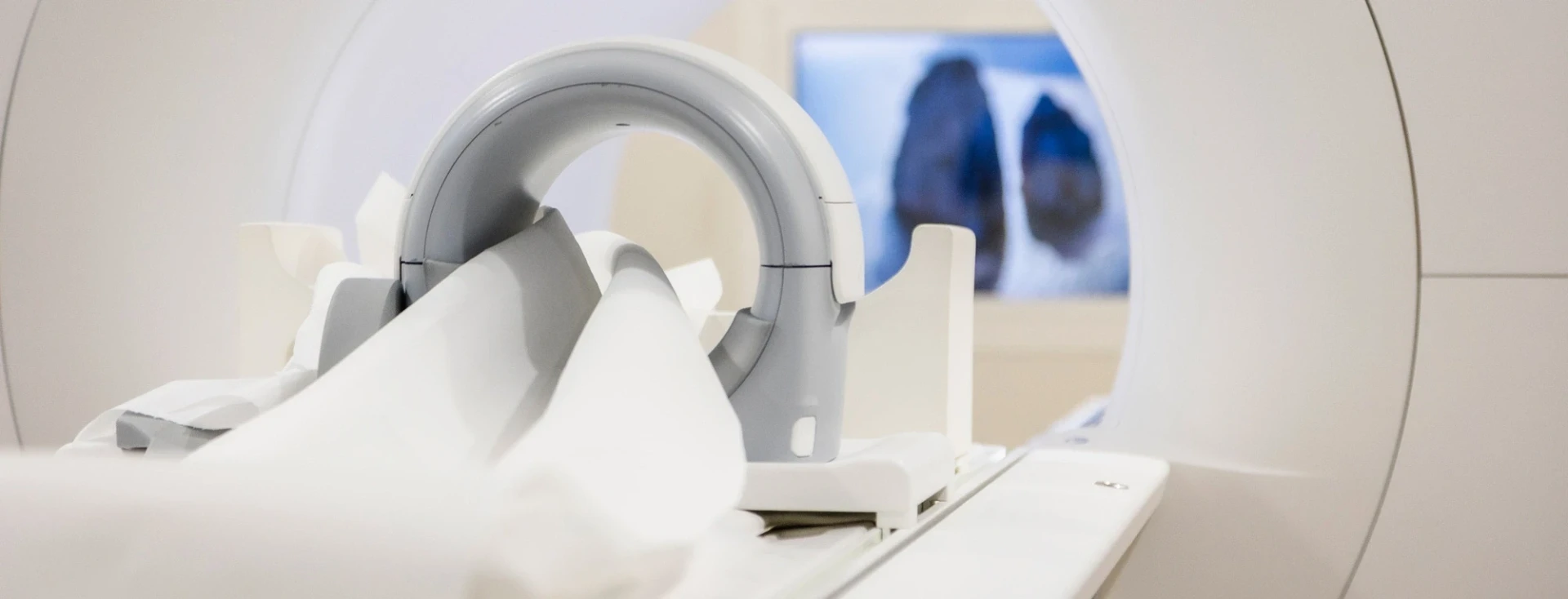
Image credit: diagnostikzentrum-wolfsburg.de
The private consultation at the Wolfsburg Diagnostic Center gives patients access to many images-guided diagnostic and imaging services within one radiology clinic.
Different body parts display themselves in different ways
The appearance of bones, soft tissue organs, joints, and soft tissues can differ depending on the imaging method used.
Magnetic resonance imaging is especially helpful when precise imaging of the various soft tissue structures is required. The Wolfsburg Diagnostic Center operates two modern 1.5 Tesla MRI scanners and performs examinations of areas including the spine, brain, joints, internal organs, and soft tissues.
MRI does not employ X-ray radiation. If medically required it is possible to offer more specific examinations such as prostate MRI or whole-body MRI.
It is important to remember that the term “MRI”, which describes the technology, is not the exact same as the query asked by a patient.
CT offers a different perspective
In the field of diagnostic medical practice, CT plays an important role. CT uses X-rays to create intricate cross-sectional photographs of the body. Low-dose technology can be found in the Wolfsburg Diagnosis Center to reduce radiation while maintaining the image’s quality. For more information, click here privat MRT
The particular clinical circumstance will determine the most appropriate imaging technique. It’s not essential to say that having a better sounding image implies it is superior.
Digital X-Ray Is Still Relevant
With MRI and CT receiving considerable attention, conventional X-ray imaging might appear old-fashioned. Digital X-rays tell a completely different story.
Digital systems continue to provide an established method of studying the bones. Modern equipment integrates high-resolution imaging and techniques designed to limit radiation exposure.
The latest technologies aren’t only replacing the older ones and are actually broadening the options for radiologist.
Breast Imaging Shows Value in an Intensive Method
Breast diagnostics can be another illustration of imaging that is specialized. The center offers mammography including 3D mammography, also known as tomosynthesis as well as breast ultrasound. These techniques provide various forms of information about imaging and can be used in accordance with the patient’s individual medical circumstances.
Radiology is founded on the same idea of understanding the subject matter that needs to be examined is vital for a successful imaging.
Sometimes, images can aid in treatment
Radiology isn’t limited to finding or observing any abnormalities. The Wolfsburg Diagnostic Center performs CT guided periradicular treatment (PRT) where CT images are used to guide the procedure. The low-dose radiation therapy option is yet another option for treatment.
These examples show how medical imaging can go far beyond mere observation to help guide the course of treatment.
Precision Means Asking a Focused question
A modern diagnostic facility isn’t only defined by the number of machines it has in operation. The value of a diagnostic center is also in applying appropriate technology to clearly defined medical requirements and having skilled specialists examine the images that result.
Patients can get access to specialist medical care as well as a range of radiological tests during private consultation times.
It’s not only about generating more pictures. It’s to provide clinically useful information that can assist physicians as well as patients in understanding the medical questions being investigated.