

Imagine all the apps on your smartphone. Think about the apps you use on a daily basis without even realizing the triggers to your habit. Your thumb is the only thing that knows what to do. Behind this simple, second-nature interaction lies an enormous amount of human psychology and incredibly technical engineering. Modern users have the highest standards for digital friction. If a smartphone screen has a slow response, even for a fraction or is slow to load poor cellular signal or loses an email, they will delete it in a matter of minutes. There are a lot at stake for founders with a financial backing, as well as teams that concentrate on growth. It requires more than an impressive website or smooth surface to introduce a digital product. It is essential to have an agreement with a top mobile app developer that engineers human engagement in the very initial stages of production.
Becoming familiar with the Constantly Shifting Ecosystem Rules
It’s more challenging to build for mobile than web engineering, as you work on the surface of a moving object. Apple introduces a new version of its operating system each in the fall. The new version includes more stringent privacy declarations, the retirement of legacy code, and revisions to app store reviews protocols. Google is a bit more complex in its timeline. The notification system is constantly evolving and background processes are constantly updated. If your team isn’t keeping an eye on these constantly shifting guidelines, it could result in your app breaking quickly, resulting in negative reviews and malfunctioning functionality. Companies must employ mobile app development teams that view their work not as one coding sprint rather as an ongoing process. Release engineering is an ongoing process that assures that the automated shipping pipelines are in place and secure during every operating system upgrade.
The Technical Crossroads of Native Experiences
When mapmaking out a new mobile roadmap, product creators always come to a crucial decision point: how the code interacts with physical hardware. Selecting the right iOS app development tools gives teams unrestricted access to Apple’s latest native frameworks, which allow smooth animations, as well as deep integration with specialized features such as HealthKit or biometric security. A targeted Android application will ensure that the app you develop is able to run on the broad variety of screen sizes, processing capabilities and device types that are available in the market. Native architecture is the absolute top-of-the-line for business models that depend on heavy device access like interacting with low-latency Bluetooth accessories monitoring precise real-time locations and offering seamless checkout processes using native billing systems.
Enhancing Production Timelines through Cross-Platform Engineering
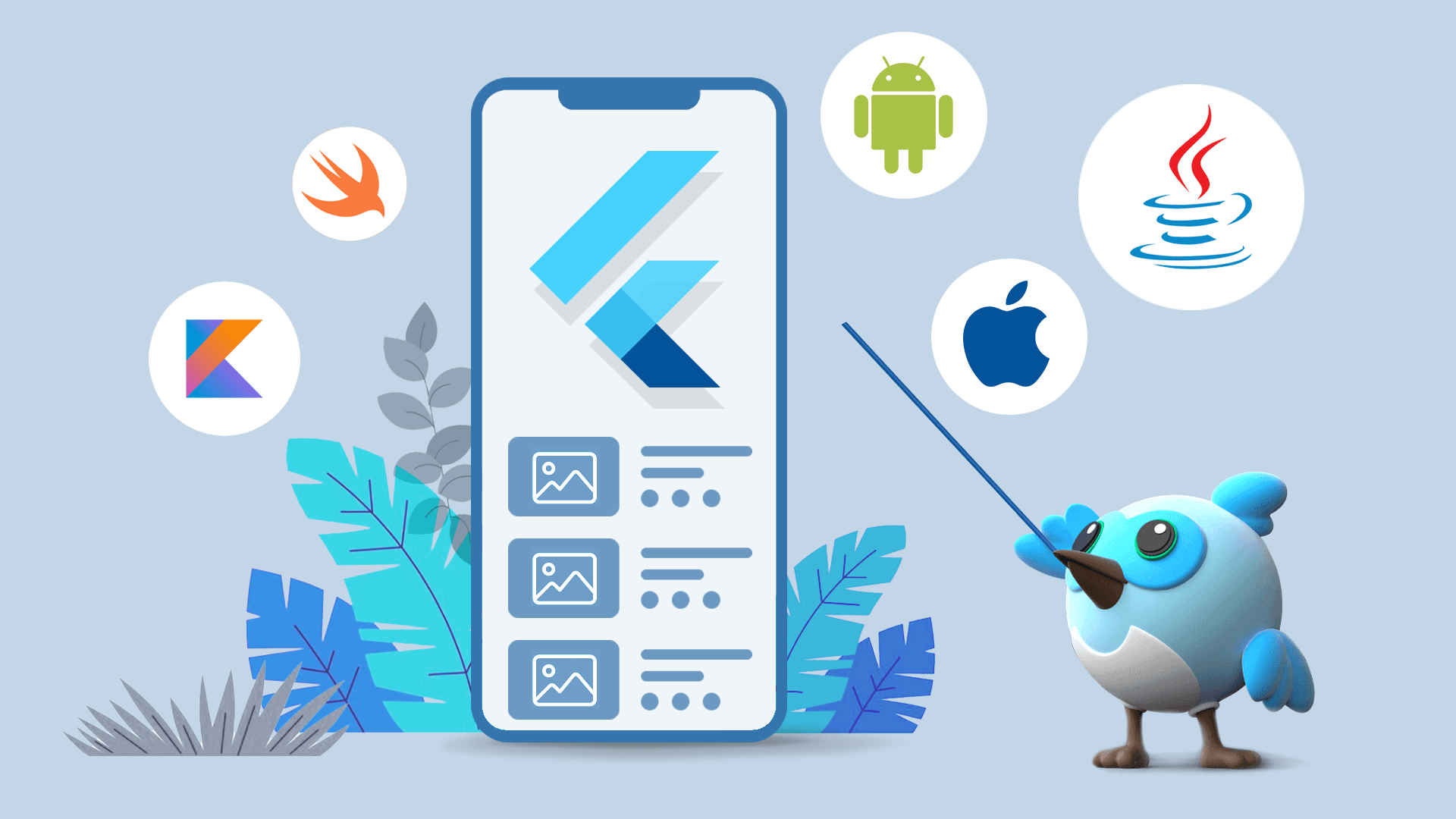
The pressure of funding and pressures from rivals can put stress on the resources of many organizations. Choosing an elite cross-platform app development strategy resolves this dilemma by allowing a unified development team to build, test, and maintain a single codebase that runs beautifully on both platforms. This approach cuts the traditional time to launch by several months and lets companies collect feedback from users at a fraction of their cost. By selecting a Flutter specialized application development firm, brands can build highly stylized, pixel-perfect interfaces that maintain absolute uniformity across different devices. When backed by a strong base of automated testing, and solid background data syncing, this approach to cross-platform development provides the ideal balance of speedy market entry and high-performance execution.
Designing sustainable long-term user engagement
At the end of the day, the effectiveness of the mobile launch will be assessed through long-term, lasting user behavior, not only quick spikes in downloads. The most effective mobile design integrates key behavioral triggers into the technical stack to ensure that onboarding flows provide results within 60 seconds, local data caches smoothly even in case of unexpected drop-outs from cell phones, and notification systems respect user focus. The primary goal is the same regardless of whether your team is trying to release a minimum viable product (MVP) to prove the market’s acceptance or implement an enormous enterprise data system which requires strict conformity. Digital Heroes will help you create a solid digital asset by adhering to a logical engineering process that is organized and predictable while respecting your users’ schedules and performance of the device.