

Industries today are experiencing an era where speed agility, flexibility, and efficacy are no longer options, they are now essential. The old infrastructure, which was costly and slow to change is not able to meet the demands for real-time analytics and distributed operations. ScalerPi gives a fresh view on edge computing by combing it with engineering practices in order to deliver solutions that are truely adaptable.
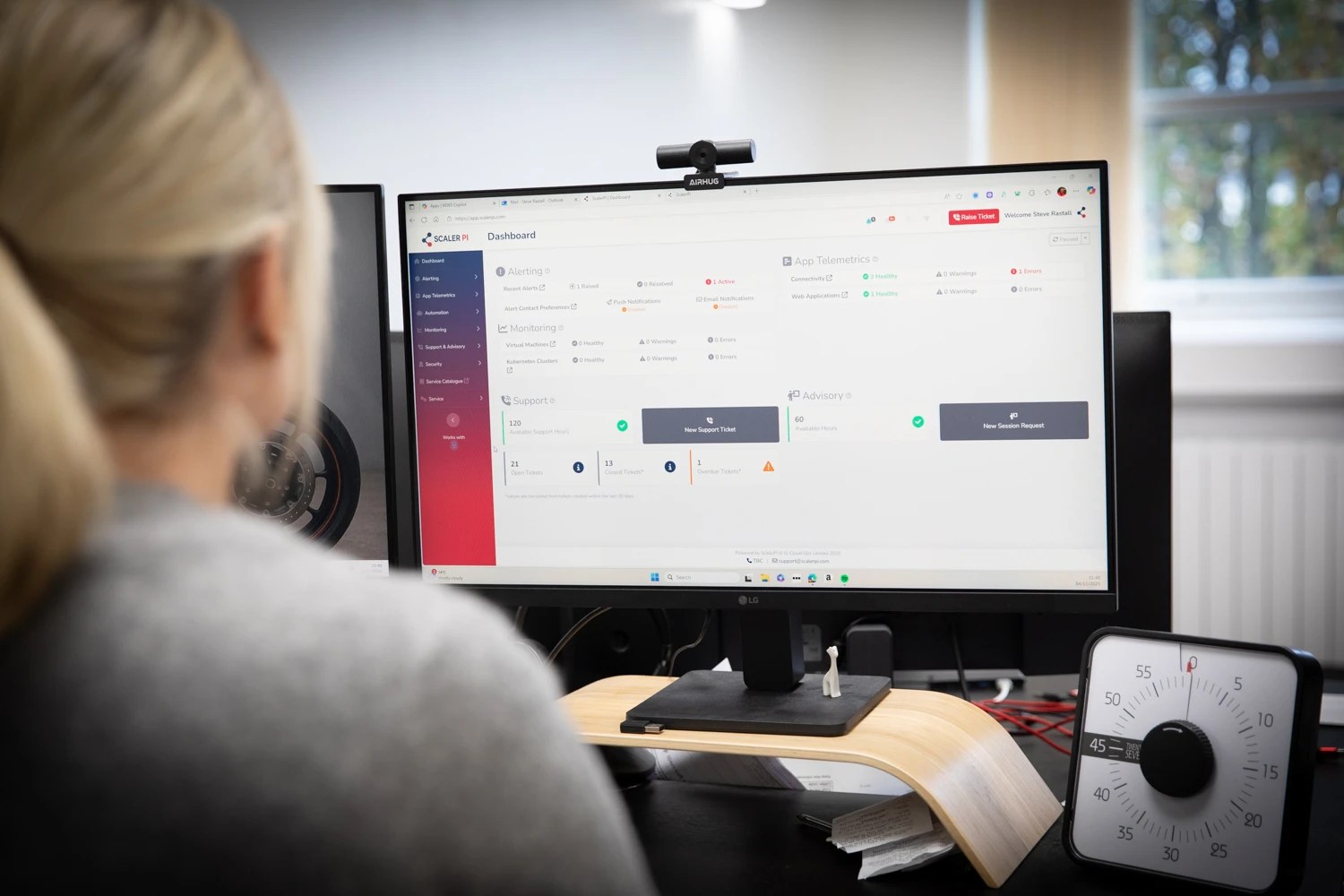
At the core of this evolution is industrial automation using Raspberry Pi, which enables organizations to rethink how they build and manage systems. Instead of having to rely on centralised, heavy equipment, companies are now able to implement lightweight but powerful devices that operate directly in the place where data is generated. This method reduces the amount of latency and gives teams the ability to react quickly to the changing environment.
Data-driven Action at the Edge
The true benefit of edge computing is the ability to process data locally. In a lot of industrial settings the need to wait for cloud-based systems to react is simply not practical. ScalerPi solves this issue by offering infrastructure that operates independently while integrating with larger systems when needed.
The industrial Raspberry Pi IoT Gateway is one of the key components in this set-up, since it serves as a central interface for devices and applications. It provides seamless connectivity between sensors, machinery and software platforms. It ensures that data flow is secure and efficiently. This allows users to monitor operations in real-time, identify issues earlier, and maintain constant performance across various sites.
This ability has a transformative impact on industries such as environmental monitoring and logistics. Systems can operate even in areas of low connectivity or remote locations which ensures that operations and data remain available.
Compact Power for Demanding Environments
One of the greatest challenges in industrial computing is the balance of efficiency and practicality. Big servers may provide energy, but they usually come with high costs along with energy consumption, and restricted flexibility. ScalerPi provides industrial Raspberry Pi servers which deliver robust computing, with a compact and energy-efficient design.
These servers are built for use in real-world situations where there is a limited amount of space and power. They can be used in a factory or retail outlet as well as a remote monitoring station. Modularity allows businesses to grow their systems gradually, based upon the needs of the moment.
Moving this one step further and making it even more compact, the industrial Raspberry Pi compute module server provides even more flexibility. Built to withstand the harshest conditions they combine endurance and advanced processing capabilities. These servers are perfect for applications that require to run continuously, like smart city systems, industrial automation installations.
Flexible Deployment Through Containerized Delivery
Containerization is a vital component of the modern infrastructure. ScalerPi integrates industrial Raspberry Pi docker environments, enabling flexible and efficient management of applications. Docker lets companies build, update and scale applications quickly without disrupting their existing processes.
This helps in developing and also ensures consistency across deployments. Applications can be tested in one location and easily transferred to another, reducing the possibility of mistakes and improving overall reliability. If you manage multiple sites, this degree of control is crucial.
Containerization can also be a tool for development. Teams can play around with the capabilities and services they want to try without affecting the existing system. This makes it simpler for them to stay in the forefront of their field.
Practical Solutions for a variety of sectors
ScalerPi’s strengths lie in its ability in adjusting to various industries. In manufacturing industrial automation, Raspberry Pi enables predictive maintenance, which reduces the time of breakdown and boost efficiency. The machines can share and communicate data in order to create a more connected and intelligent system.
Edge technology in agriculture supports better farming practices. Sensors monitor the health of crops and soil conditions. They also track weather patterns.
Retail and hospitality industries can benefit from understanding customer behavior that is real-time. Businesses can streamline their processes while improving the customer experience. From digital signage to queue management, to the use of digital signage, businesses are able to enhance the customer experience. In the meantime, projects in the public sector such as smart cities depend on infrastructure that is edge-based to perform tasks such as environmental monitoring and asset tracking.
Connecting Hardware and Cloud securely
ScalerPi is unique because of the ability it has to bridge physical devices and a cloud-based system. Combining hands-on experience in hardware with modern cloud practices allows for a platform that supports local processing and centralized management.
Businesses can expand without adding more complexity. The infrastructure is cost-effective, manageable, and secure whether you begin with a smaller deployment or increase to thousands of devices. Transparent pricing and modular design further simplify the process, allowing organizations to focus on advancing their business rather than tackling operational problems.
A Future-Ready Approach to Industrial Technology
As industries continue their evolution, the demand for efficient and flexible infrastructure will grow. ScalerPi can be a solution that meets these needs through combining edge computing power along with Raspberry Pi technology.
Every part that is used, from industrial Raspberry Pi servers to advanced IoT gateways and containerized applications has been designed to provide scaling and usability. The infrastructure is designed to not just serve today’s needs, but enable businesses to meet the challenges of the future.